
What We Do
Every day at FBCDC is designed to build the social, emotional, and cognitive foundations children need to thrive.
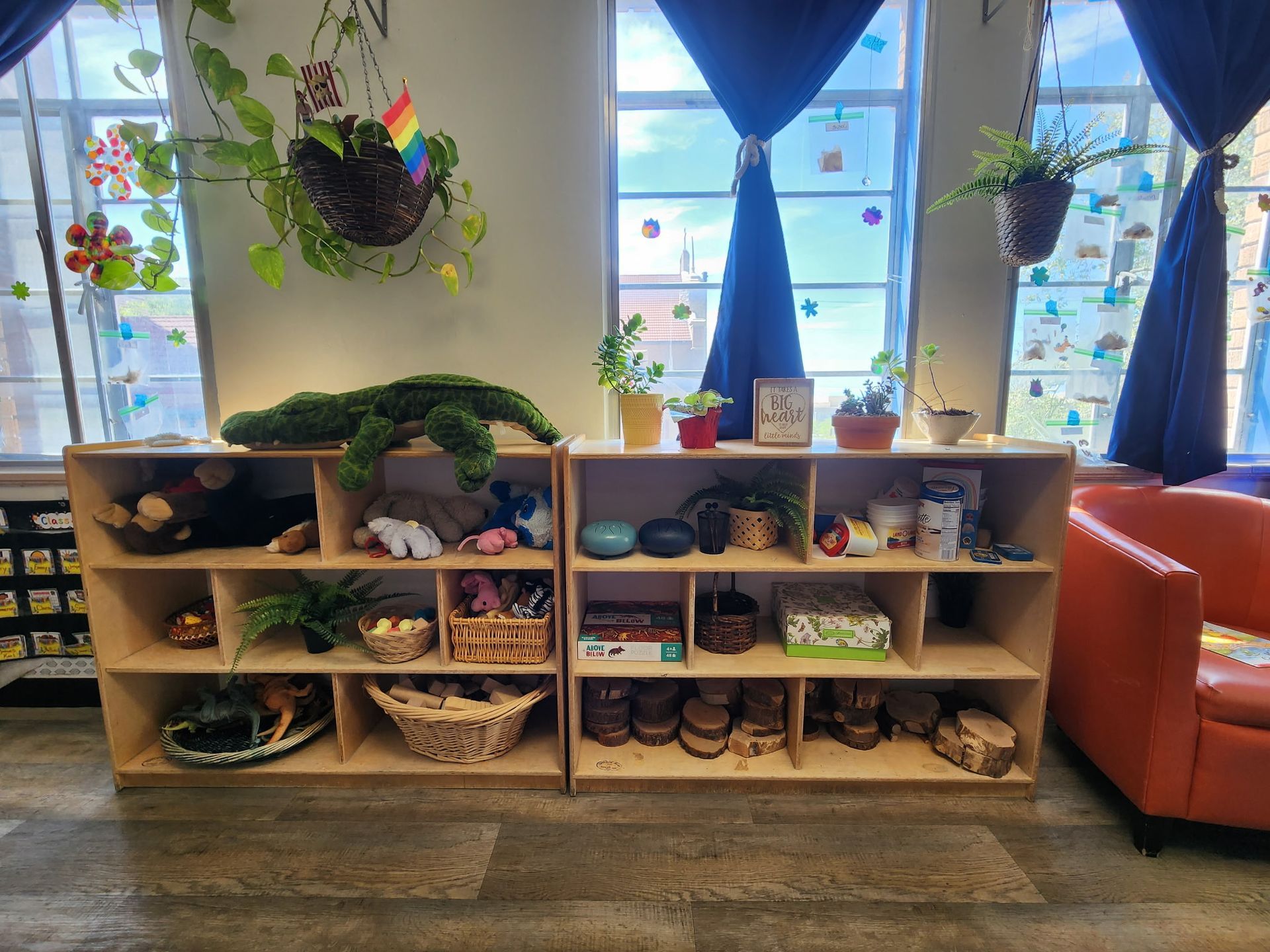
Our Play-Based Philosophy
At FBCDC, play is not a break from learning. It is how learning happens. Children learn best when they are actively engaged, curious, and connected to others. Our curriculum is built on this understanding.
When children build with blocks, they are learning spatial reasoning and problem solving. When they negotiate roles in dramatic play, they are practicing empathy and communication. When they experiment with art materials, they are developing creativity and fine motor skills.
This approach prepares children for kindergarten in ways that worksheets and screens cannot. Children who learn through play develop executive function, self-regulation, and the ability to think flexibly. These are the skills that predict long-term academic and social success.
Our teachers observe, guide, and extend play to deepen learning. We document growth, celebrate discoveries, and partner with families to support each child's development.
Enrichment That Sets Us Apart
Music
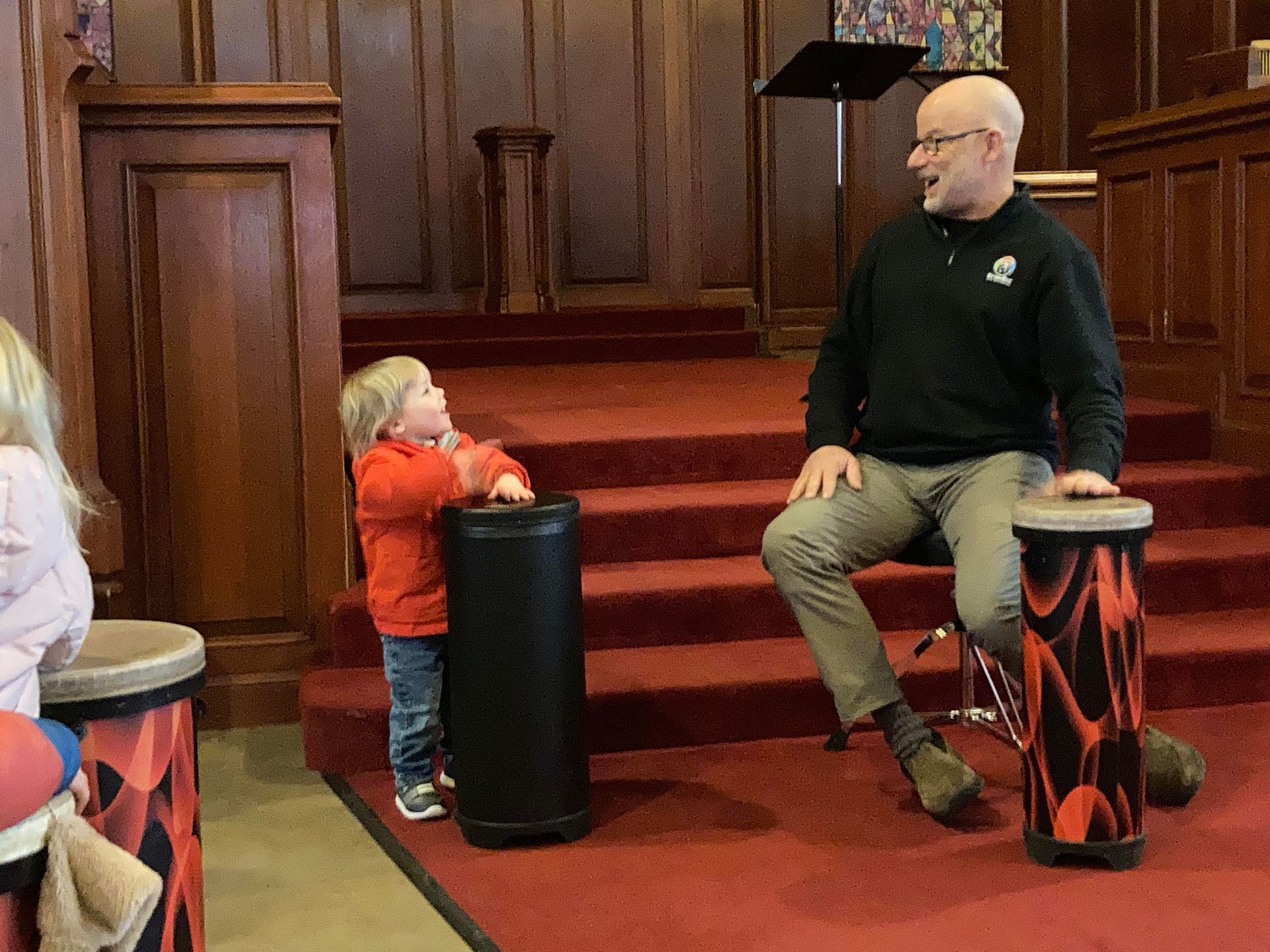
Music fosters connections and shared joy among little ones. Music and movement is a fun and natural way to learn and a valuable way to build relationships among children of all ages.
We offer weekly music in every infant , toddler and two's class. There are also weekly music enrichment activities for 2.5-5 year olds that include dance, singing and drumming exploration.
Art
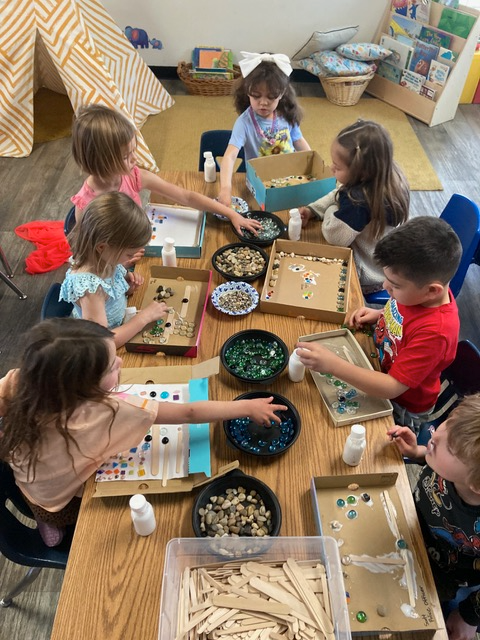
Art has long been recognized as a therapeutic tool that promotes psychological well-being. Exploring your inner voice through art is a deeply enriching experience for the child. Miss Katy takes a special open ended art experience into each preschool class weekly. The children also have open ended art daily with their teachers.
Grandfriends
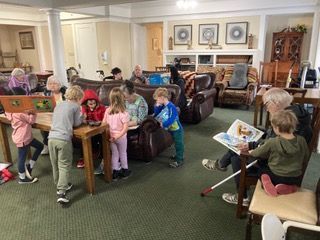
Once a month our 4 Pre-K children take a walk to the Sarah Daft Assisted Living Home next door to spend time interacting with the residents. They sing, read books, play games or do crafts together. It is a favorite part of the month for both the children and their Grandfriends at Sarah Daft.
Outdoor Play Space
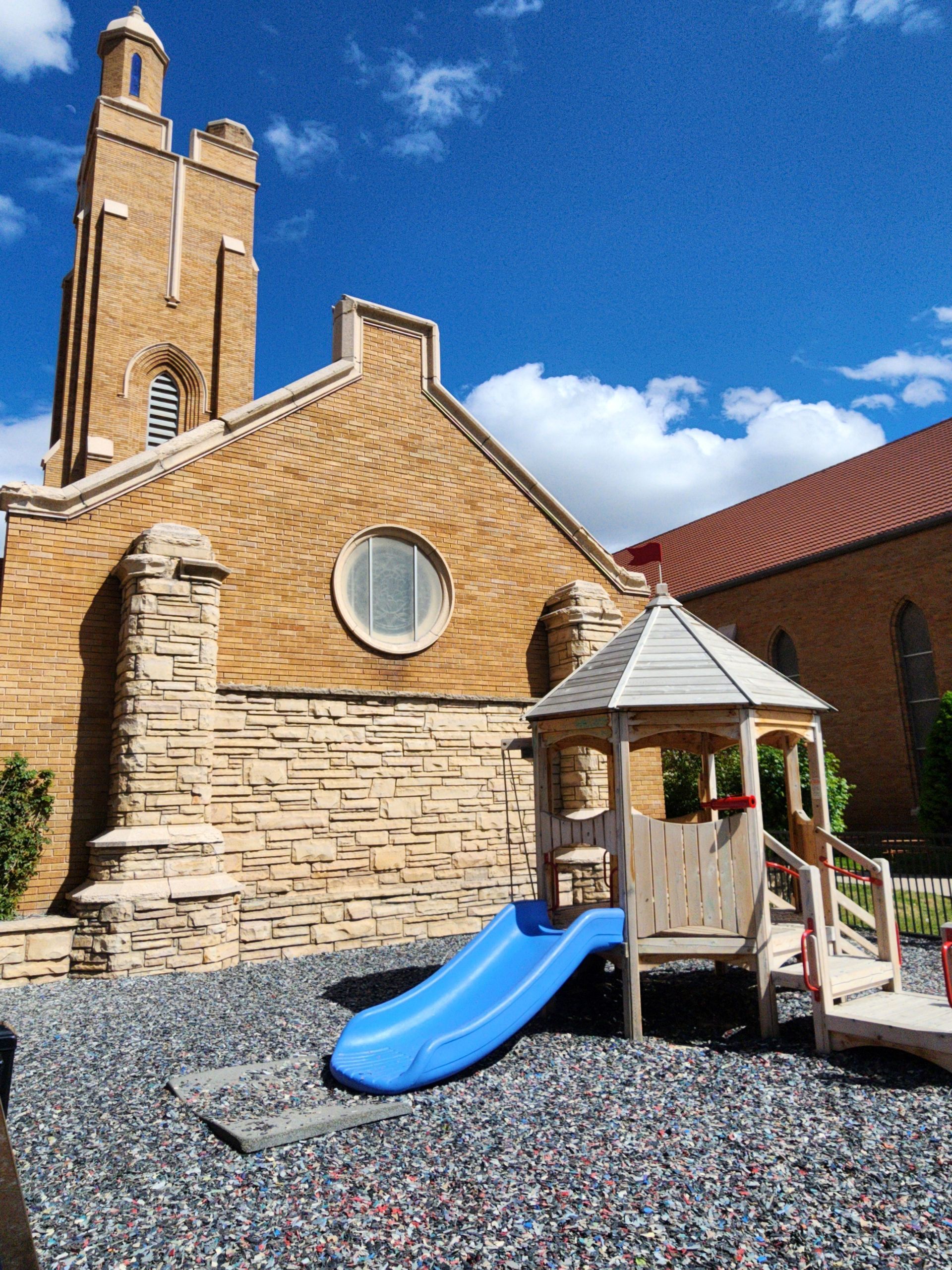
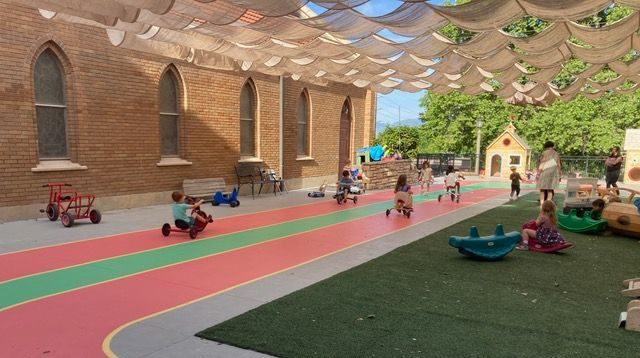
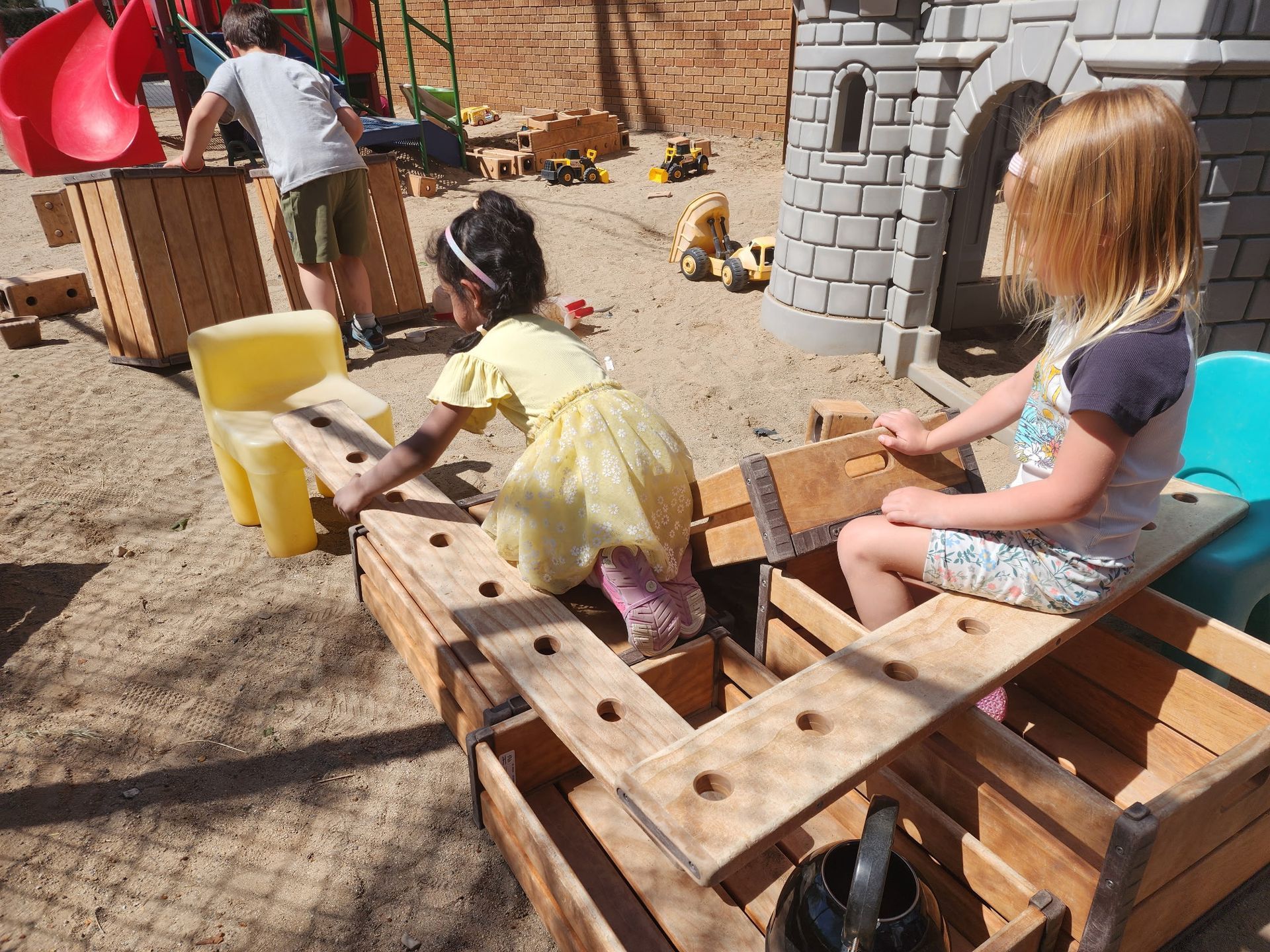
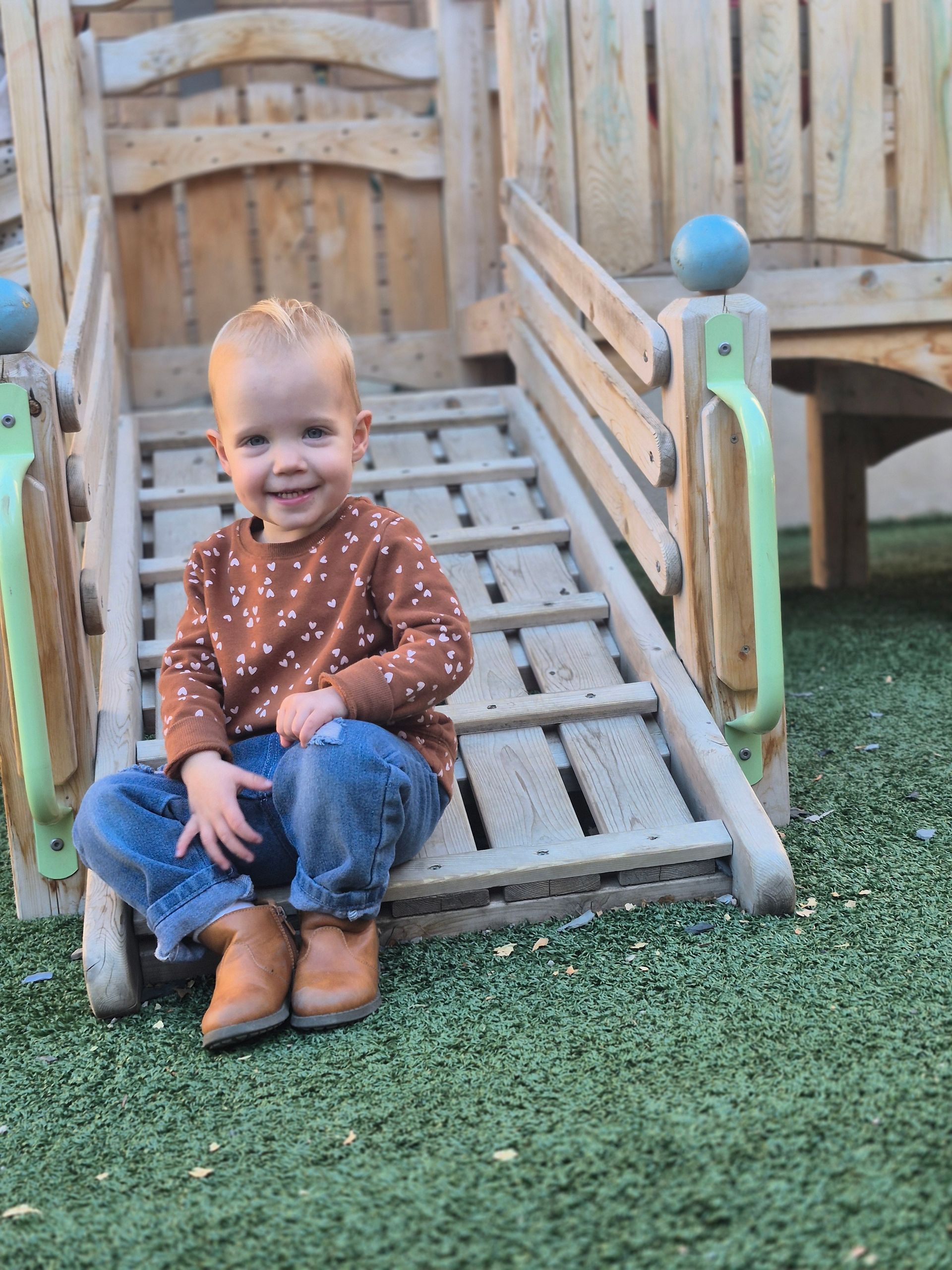
Children play outside two or three times a day. We have dual play yards designed for different age groups, with space for running, climbing, riding, digging, building and pretending.
- Gross motor development
- Loose parts
- Nature exploration and observation
- Cooperative games and free play
- Partially shaded play areas
Our Nutrition Program
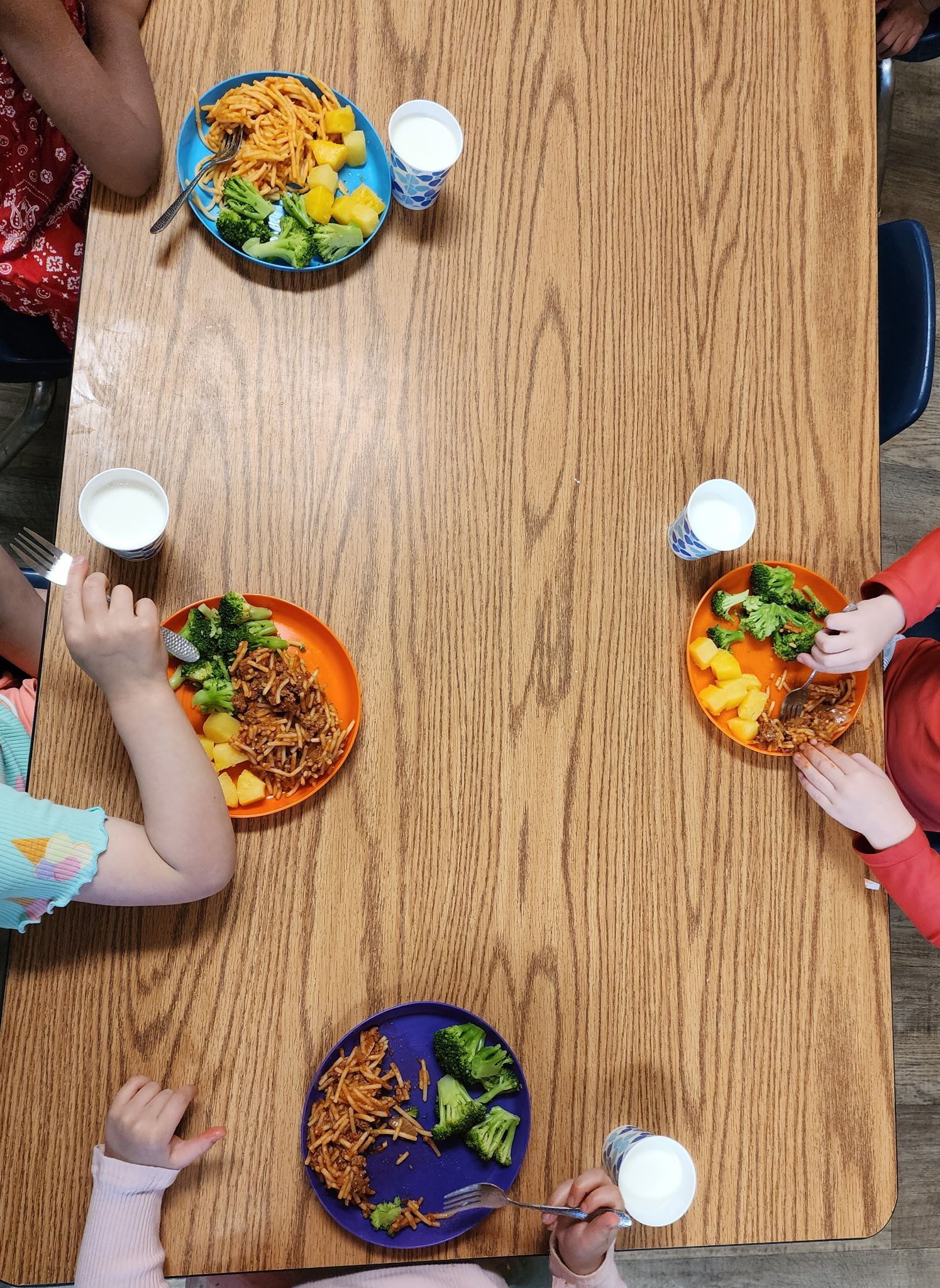
Children 1 to 5 years old are served delicious homemade meals (included in tuition rates.) Breakfast, Lunch and an afternoon snack are served every day.
Menus are approved by a licensed nutritionist. We work with families on allergies and dietary restrictions.
Teacher to Child Ratios
INFANTS: 1 teacher for every 4 children
TODDLERS: 1 teacher for every 4 children
TWO-YEAR-OLDS: 1 teacher for every 6 children
PRESCHOOLERS: 1 teacher for every 9 children
Discipline & Guidance
First Baptist Child Development Center is committed to the belief that through modeling and encouragement, children learn appropriate behavior. We will reason with, set limits for, and model, appropriate behavior for children. We will attempt to be proactive to prevent problems before they occur in our classrooms and play areas. Teachers observe and listen to children and help children find alternatives for inappropriate behavior as needed. Natural and logical consequences are used as we explain things to the children on their individual levels of understanding.
The needs, desires, and feelings of each child are respected as we strive to maintain consistency throughout the facility.